
Shirley Jackson established a reputation as a horror writer with the publication of her haunting short story ‘The Lottery‘ in the New Yorker in 1948. This anthology of stories drawn from across her writing career includes a wide variety of gothic tales. The publishers describe them as “deliciously dark stories” which I think both doesn’t do them justice and at the same time over-states their value. Which I know is contradictory, but I’ll try and explain what I mean.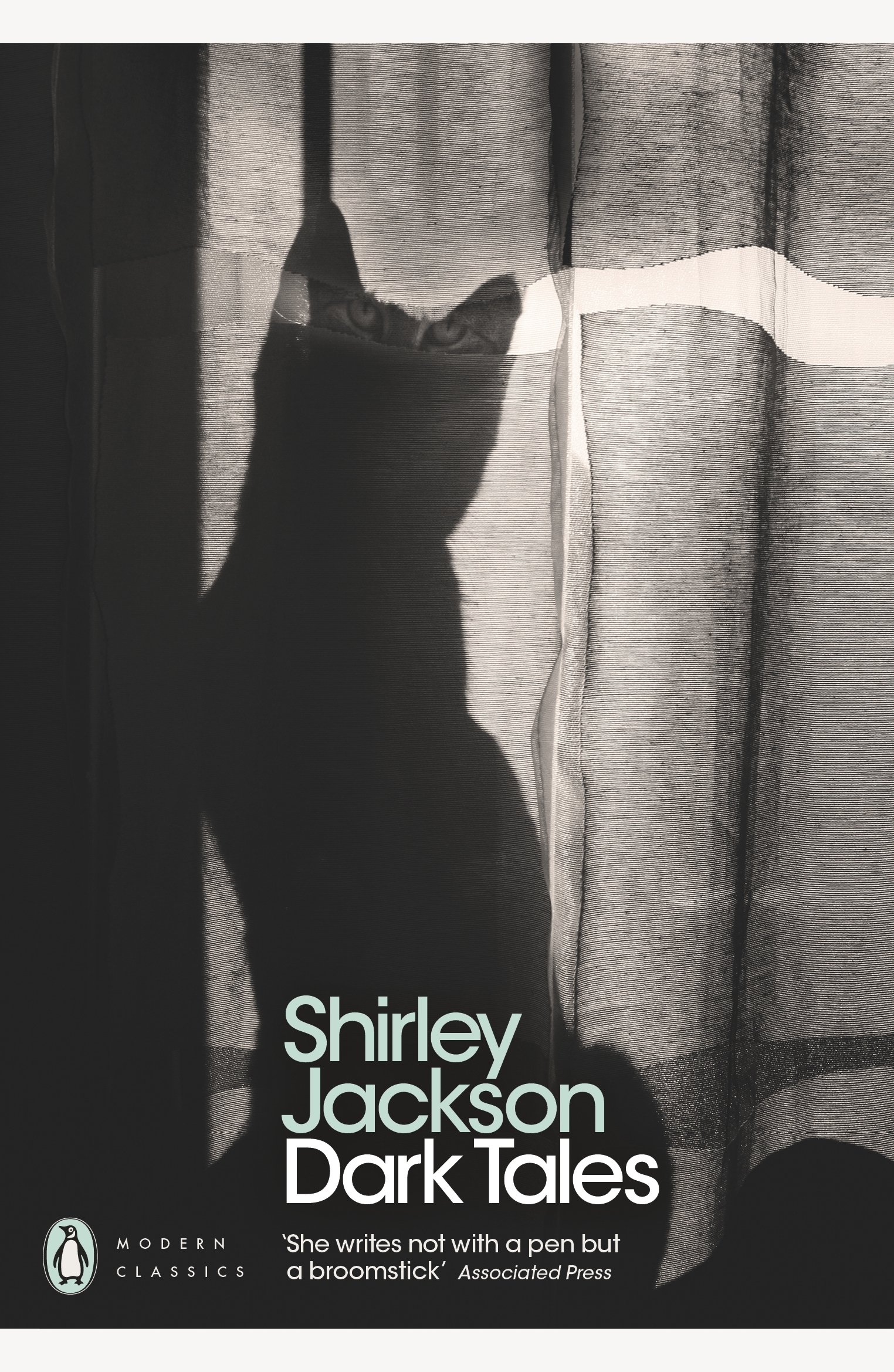
When the stories are effective – principally when they do not rely on the supernatural – then they are far more than “deliciously dark”, which is more suited as a description for chocolate than a short story. The opening tale, for example, The Possibility of Evil, is a portrait of an old lady who writes poison-pen letters to her fellow townsfolk, mainly out of boredom and a sense of her own superiority. This story contains not a hint of the supernatural, but is very effective, with a wonderful, punchy ending. Louisa, Please Come Home was another story that made an impact on me. In it a teenager runs away from home – why it is not clear – and when she is found after living in a nearby town for several years, only to be rejected by her family as not their real daughter.
Other stories in the collection are not as strong. They often lean too heavily on the supernatural to provide the surprise element of the story. In The Bus is a good example of this weaker category. A stranded woman gets a lift to a familiar house that turns out to be her childhood home and she can’t escape it. Home boils down to a pair of ghosts who like to sit in cars.
Jackson’s style can come over as formulaic when the stories are read in a single volume of this kind. She opens with mundane, everyday settings, then slowly introduces the creepier elements, usually without announcement, blurring the lines between the supernatural and the real world. The first person narrative helps to confuse the reader – is this “really” happening or is the narrator having a dream or vision? The menace of small town America is a common theme throughout this volume but overall it doesn’t bear comparison to Jackson at her best.

