Or to give the novel its full title, because the full titles of early novels are always worth recording: “The Farther Adventures of Robinson Crusoe; Being the Second and Last Part of His Life, And of the Strange Surprising Accounts of his Travels Round three Parts of the Globe”. 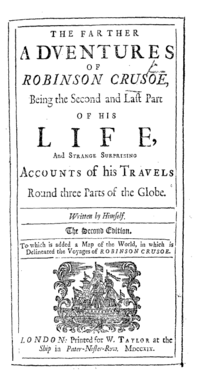
I enjoy literary curiosities and this novel definitely falls into that category. The original ‘Robinson Crusoe‘ was hugely popular, and this little-read sequel could be seen as a cynical cashing in, a ‘straight to video’ Robinson Crusoe 2, published just five short months after RC1. There is also an RC3 – ‘Serious Reflections During the Life and Surprising Adventures of Robinson Crusoe: With his Vision of the Angelick World‘ (1720) which for me is probably one Crusoe too many.
This novel opens with a quick summary of Crusoe’s life since his return from the island. He has bought a farm and had three children. But his wanderlust cannot be contained for long and he wants to return to his island. The death of his wife acts as a form of release and he sets off on another set of voyages, leaving his young family behind. Continue reading →

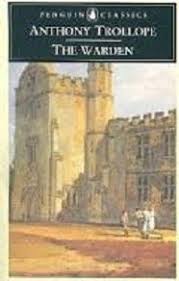 explanation of the term ‘precentor’ may already be getting the impression that they are not the target audience for this novel). An introduction of this kind would normally refer to the “adventures of Mr Septimus..” etc but readers of Trollope will expect no such thing. Adventure, indeed incident, is devoid from this novel. Trollope almost seems to disdain the need for such things. Portraits, conversations, lectures – these are the principal building blocks of ‘The Warden’.
